
Advanced Aerosol Generation.
Engineered for Inhaled Therapeutics.
Next-generation aerosol technologies enabling precise, efficient delivery across small molecules, biologics, and emerging modalities.
Up to 90% respirable fraction • Digital breath actuation • Low-shear aerosol generation for biologics
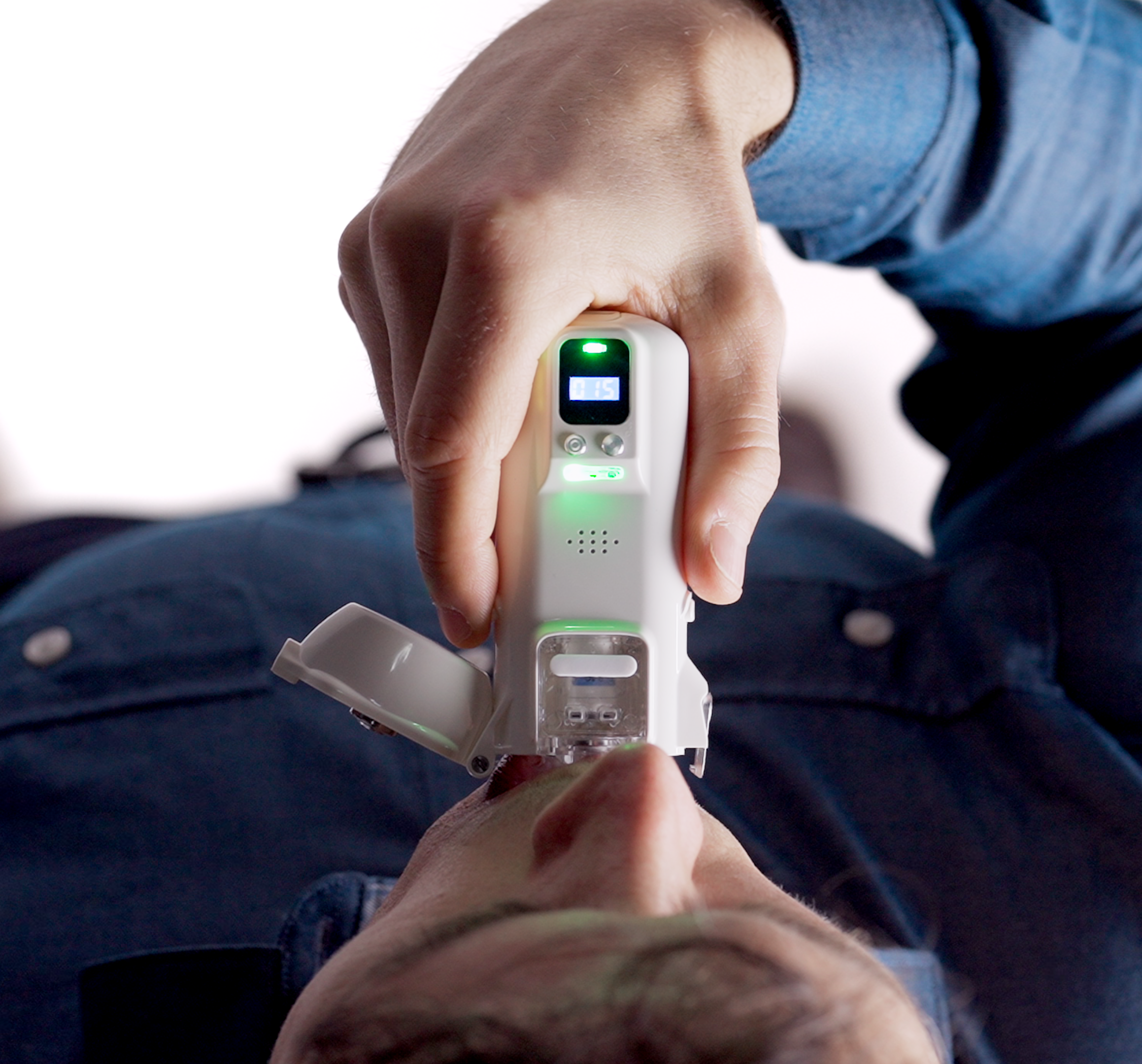
Pneuma’s core competency is advanced aerosol generation.
We engineer aerosol droplet size to enable targeted lung delivery—along with low-shear delivery of fragile biologics—supported by digitally enabled dosing and adherence features.

Precise Delivery.
Advanced Therapies. Unprecedented.
Pneuma’s aerosol platform enables precise pulmonary delivery to improve outcomes while reducing systemic exposure. Built for broad formulation compatibility—from small molecules to fragile biologics—our technology enables next-generation therapies.
Capabilities:
Precision droplet control to target regions of the lung
High respirable fraction for efficient delivery
Low-shear delivery to protect fragile biologics
Digital breath actuation + dose verification to support adherence
Therapeutic Areas:
Asthma, COPD, and other lung disorders
Oncology and other inhaled biologic programs
Emerging modalities
Broad and Highly Protected
Patent Portfolio
Pneuma’s extensive IP estate includes 50+ issued patents and 130+ pending, protecting our breakthrough technology across multiple therapeutic applications.
Comprehensive Coverage
Our patent portfolio protects key functions and features that enhance safety, health outcomes, formulations, control, and user experience. Pneuma’s patent portfolio protects core aerosol generation methods that are difficult to replicate through conventional nebulization or mesh-based approaches.

Therapeutic Aerosol Platform for Pulmonary Drug Delivery
Pneuma’s platform is a pulmonary delivery system built on advanced aerosol generation physics. It enables low-shear delivery of fragile biologics and high-efficiency deposition of small-molecule therapies through precise, breath-actuated aerosol control.
Digitally enabled features, including voice guidance, dose verification, and data connectivity, support consistent use, dosing confidence, and real-world adherence.
Key Platform Capabilities:
Low-Shear Aerosol Generation
Preserves the structural integrity of fragile biologics and complex formulations.
Precision Droplet Control
Tunable aerosol characteristics enable targeting of specific regions of the lung.
High Respirable Fraction
Achieves up to 90% lung deposition, improving delivery efficiency.
Breath-Actuated, Propellant-Free Dosing
Ensures consistent, patient-synchronized delivery.
Digital Guidance & Verification
Voice prompts, dose confirmation, and Bluetooth™ connectivity support adherence and clinical insight.
High-Dose Confidence Mode
Designed to ensure full dose delivery and enable physician oversight.
Integrated Voice Guidance
Pneuma’s platform uses audible prompts to guide inhalation timing and confirm dose delivery. This real-time feedback supports correct technique, improves dosing consistency, and enhances adherence—particularly in patients with limited experience using inhaled therapies.

Pioneering the future of drug delivery through significant scientific advances in aerosol technology.
Pneuma’s technology is reshaping aerosol drug delivery, offering a new paradigm for inhaled therapeutics. Our platform's ability to more effectively deliver small molecules and to deliver large-molecule biologics, including recombinant proteins and complex therapies, without denaturation represents a major step forward in the field. Studies demonstrate the platform's high lung penetration and precise dosing which contribute to enhanced therapeutic efficacy and safety. These findings highlight the potential to improve treatment outcomes for conditions like asthma, COPD, and non-small cell lung cancer.